Lovebug Season 2027 in Broward: Dates and What to Expect
When is lovebug season in Broward County in 2027? Explore expected spring and fall flights, peak activity times, and tips to protect your car's paint.
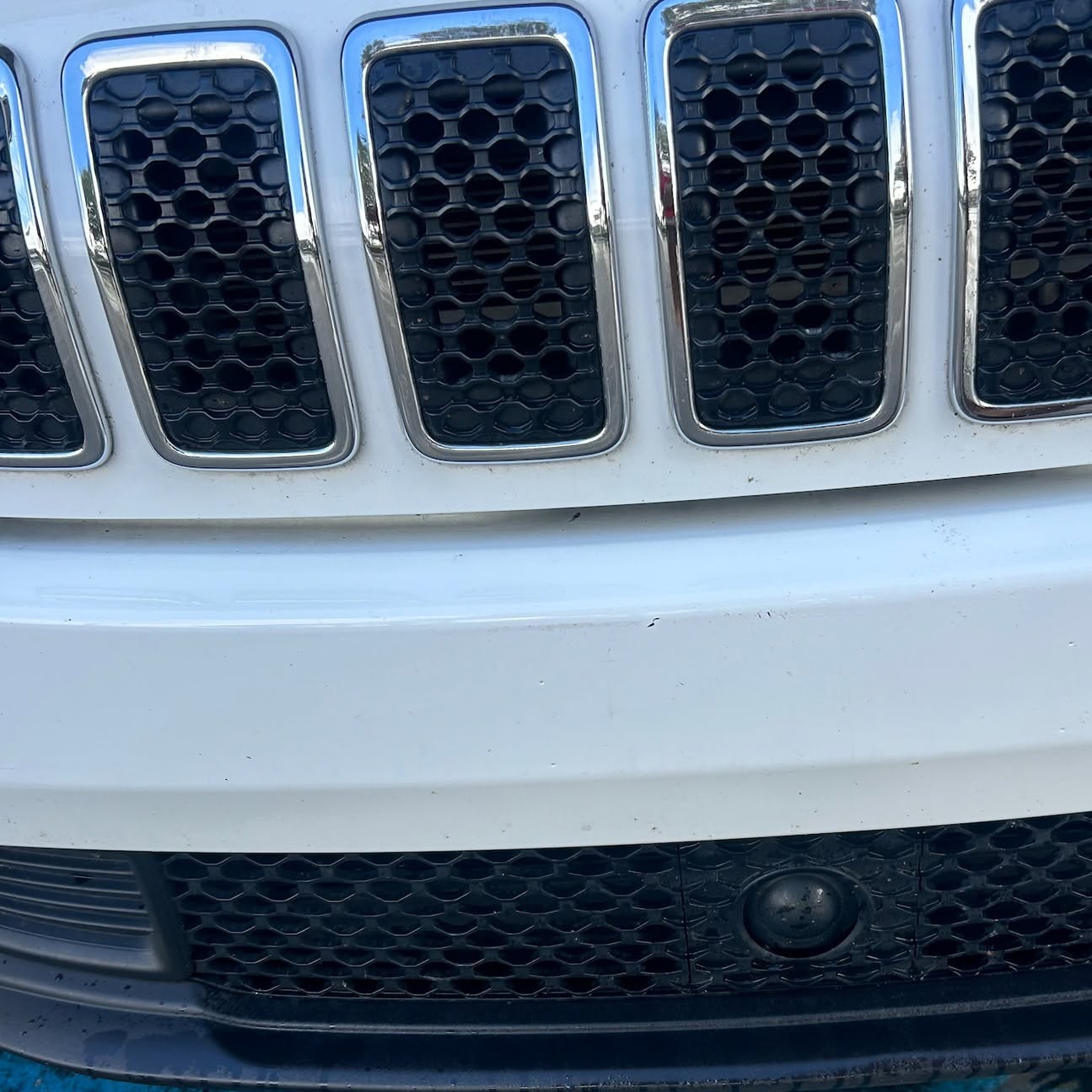
Short answer: Lovebug season in Broward County is expected to follow Florida's typical pattern in 2027, with two main flights: April–May and August–September. Each flight generally lasts about four weeks, based on University of Florida research. A smaller flight has also been recorded in South Florida in December. Exact timing varies with weather conditions, so watch for increased activity during warm, sunny days.
If you drive through Coral Springs, Margate, Parkland, or other parts of Broward County, preparing ahead of these seasonal flights can help you avoid heavy swarms and protect your car's paint.
When does lovebug season start in South Florida?
UF/IFAS's lovebug fact sheet says each of Florida's two lovebug generations lasts about four weeks, in April–May and August–September. It adds that a study by Cherry and Raid (2000) found a minor December peak in South Florida, and that in South Florida most adults seem to appear during the April flight (UF/IFAS EENY-47).
So for Coral Springs, Margate, Parkland, and the rest of Broward, the spring flight is usually the big one.
What are the expected lovebug dates for 2027?
Nobody publishes an exact lovebug forecast, and we won't invent one. Here's the realistic planning calendar based on the UF/IFAS pattern:
- Early–mid April: What to expect First swarms on warm days; What to do Top off washer fluid, refresh wax or a protective wash
- Late April–May: What to expect Main spring flight (often the heaviest in South Florida); What to do Wash within 24 hours of heavy hits
- June–July: What to expect Mostly quiet; What to do Back to your regular schedule
- August–September: What to expect Fall flight; What to do Wash within 24 hours of heavy hits
- December: What to expect Possible smaller flight; What to do Keep an eye on the bumper
UF/IFAS also notes lovebugs have been collected in Florida in every month except November, so a few stragglers outside these windows are normal (EENY-47).
What Time of Day Are Lovebugs Most Active?
Lovebugs are generally most active during warm, sunny daylight hours. UF/IFAS Gardening Solutions reports that activity peaks around 10 a.m. and typically ends at dusk. Research cited by UF/IFAS also indicates that bright light and temperatures above 82.4°F encourage lovebug flight.
This is why drivers may encounter heavy swarms on highways during the middle of the day, particularly during the spring and late-summer flights.
If your schedule allows, consider planning longer drives on I-95, the Sawgrass Expressway, or Florida's Turnpike for early morning or evening. Driving outside peak activity periods may reduce your exposure to swarms, although lovebugs can still be present.
Why Do Lovebugs Matter for Your Car's Paint?
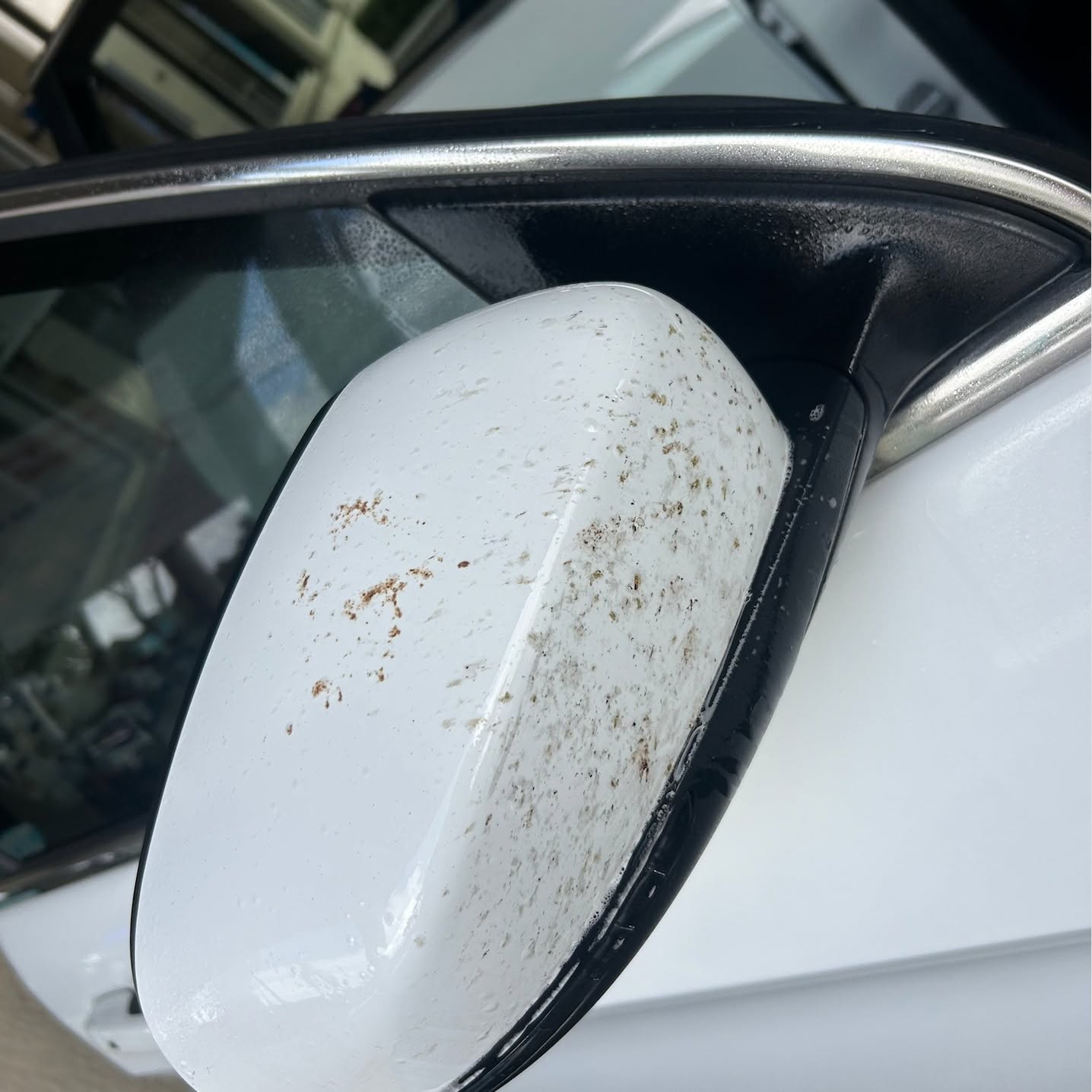
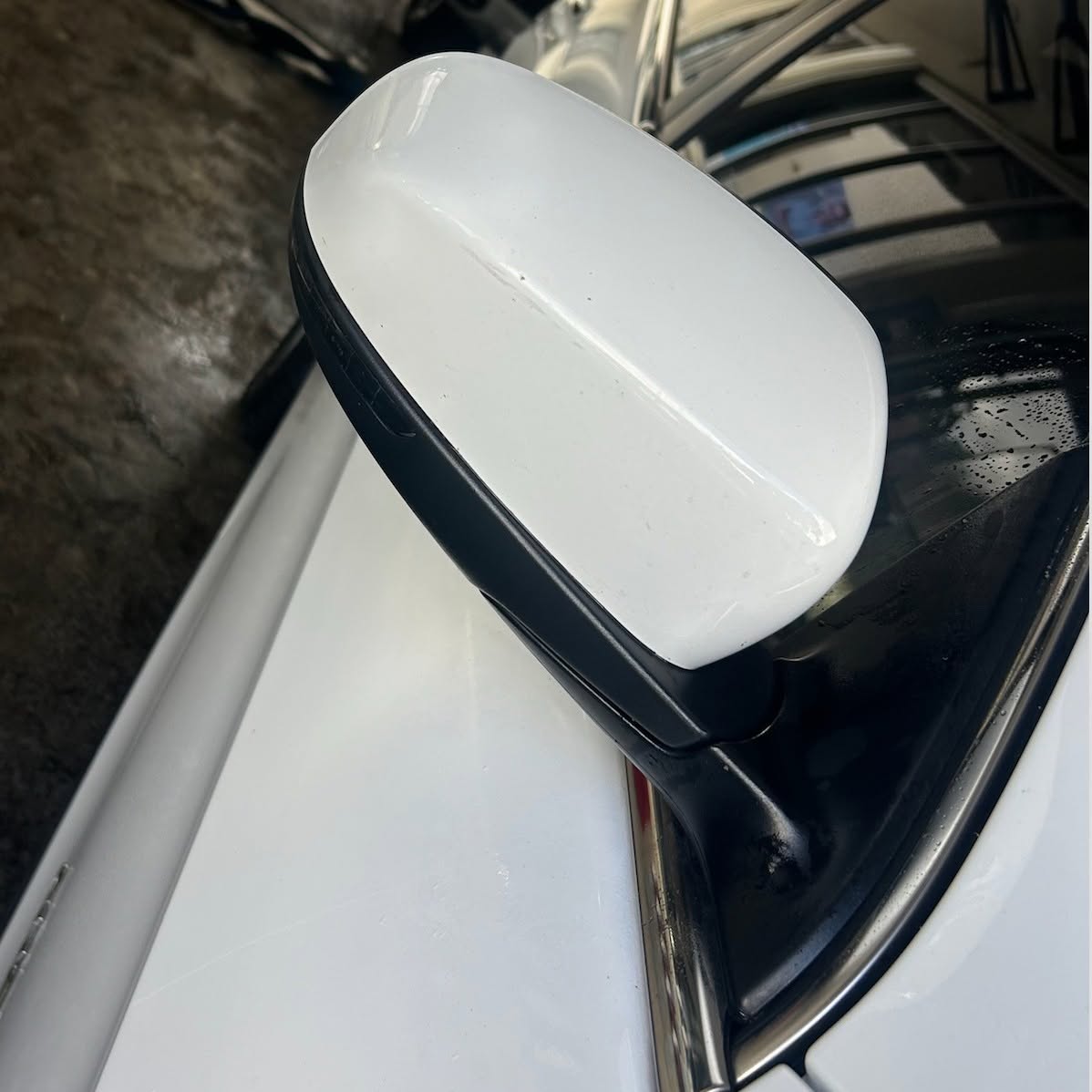
Lovebugs are generally harmless to people, but their residue can become a problem for your vehicle's finish if it is left on too long.
UF/IFAS research found that crushed lovebug residue starts close to neutral, with a pH of approximately 6.5, and becomes more acidic over time, reaching approximately pH 4.25 within 24 hours. UF/IFAS also explains that residue left on a vehicle and exposed to prolonged sunlight and heat can damage the paint.
For Broward County drivers, this is especially important during Florida's warm spring and late-summer seasons. Lovebugs can accumulate quickly on your bumper, grille, hood, and mirrors during a single drive.
The best approach is simple: remove lovebug residue as soon as possible, ideally within 24 hours. Don't wait for the next scheduled wash if your vehicle has been heavily exposed.
How Should You Prepare Your Car for Lovebug Season?
- A little preparation before the spring and fall flights can make it easier to keep your car clean.
- Maintain a protective layer. UF/IFAS says recently waxed vehicles are easier to clean and less likely to experience paint damage from lovebug residue.
- Check your windshield washer fluid. Keep it filled so you can maintain visibility when driving through dense swarms. Use it when safe to do so.
- Plan your wash routine. During the main flights, consider washing at least weekly and sooner after a drive through a heavy swarm.
- Know how to remove lovebugs safely. Soak affected areas with water, then gently remove residue with a clean, soft microfiber cloth. Read our guide to [Lovebug Removal: What to Do in the First 24 Hours to Protect Your Car's Paint] for step-by-step instructions.
- Know where to wash. Find a convenient car wash near your home or commute so you can remove heavy residue before it sits in the Florida sun.
Which Car Wash Is Best During Lovebug Season?
During lovebug season, the most important thing is to remove fresh residue before it has time to sit in the Florida sun. Regular washing helps keep your vehicle clean throughout the spring and late-summer flights.
If you're looking for additional protection, Rising Tide Car Wash offers two packages worth considering:
- Tide Gloss: Includes Ceramic SuperShine and bug repellent.
- Tide Guard: Includes a 5X Graphene Shield with water-repellent protection.
These treatments offer additional benefits for your vehicle, but no wash package makes paint immune to lovebug residue. Prompt removal is still important.
Where can you wash off lovebugs in Broward?
All three Rising Tide locations are open 8am–7pm daily (closed Thanksgiving):
- Margate: 2970 North State Road 7, Margate, FL 33063 · 754-266-7452
- Parkland: 7201 North State Road 7, Parkland, FL 33067 · 754-310-3244
- Coral Springs: 10340 Royal Palm Blvd, Coral Springs, FL · 754-296-9344 (exterior washes)
All three locations are open daily from 8 a.m. to 7 p.m. and are closed on Thanksgiving.Our team is made up entirely of professionals with autism and related neurodivergences. Every time you wash with Rising Tide, you're supporting our mission to create meaningful career opportunities while keeping your vehicle clean. We look forward to helping Broward drivers get ready for lovebug season.
FAQ
When is lovebug season in Broward County in 2027?
Lovebug season in Broward County is expected to follow Florida's typical pattern, with two main flights in April–May and August–September. A smaller flight has also been recorded in South Florida in December. Exact timing varies with weather conditions.
Which lovebug season is worse in South Florida, spring or fall?
UF/IFAS research indicates that most adult lovebugs in South Florida appear during the April flight, making spring an especially important time for drivers to prepare.
How long does lovebug season last?
Each of Florida's two main lovebug flights generally lasts about four weeks. The exact duration and intensity can vary depending on weather and local conditions.
What time of day are lovebugs most active?
Lovebugs are most active during warm, sunny daylight hours. UF/IFAS Gardening Solutions reports that activity peaks around 10 a.m. and typically ends at dusk. Early morning and evening drives may reduce exposure to large swarms.
How quickly should I wash lovebugs off my car?
Remove lovebug residue as soon as possible, ideally within 24 hours. UF/IFAS research found that crushed lovebug residue becomes more acidic over time, and prolonged exposure to heat and sunlight can damage your vehicle's paint.
Does wax help protect a car during lovebug season?
Yes. UF/IFAS says recently waxed vehicles are easier to clean and less likely to experience damage from lovebug residue. However, wax does not eliminate the need to remove lovebugs promptly.
Are lovebugs harmful to people?
Lovebugs are generally considered harmless to people. They are primarily a nuisance for drivers because large swarms can reduce visibility and leave residue on vehicle surfaces.
Can lovebugs be out in December in Florida?
Yes. UF/IFAS has documented a smaller December lovebug flight in South Florida. Although April–May and August–September are the two main seasonal windows, occasional activity can occur outside those periods.
Sources
- UF/IFAS Extension, Lovebug, Plecia nearctica Hardy (EENY-47): https://ask.ifas.ufl.edu/publication/IN204/pdf
- UF/IFAS Extension, Living with Lovebugs (ENY-840/IN694): https://ask.ifas.ufl.edu/publication/IN694
- UF/IFAS Gardening Solutions, Lovebugs: https://gardeningsolutions.ifas.ufl.edu/design/gardening-with-wildlife/lovebugs/
- University of Florida News, "Lovebugs are back!" (May 2026): https://news.ufl.edu/2026/05/lovebugs/
- Rising Tide wash packages: https://www.risingtidecarwash.com/wash-packages (checked Nov 4, 2026)
