Lovebug Removal — What to Do in the First 24 Hours to Protect Your Car’s Paint
Lovebugs can damage your car’s paint if left in the Florida sun. Learn how to remove them safely within 24 hours and protect your car during lovebug season.
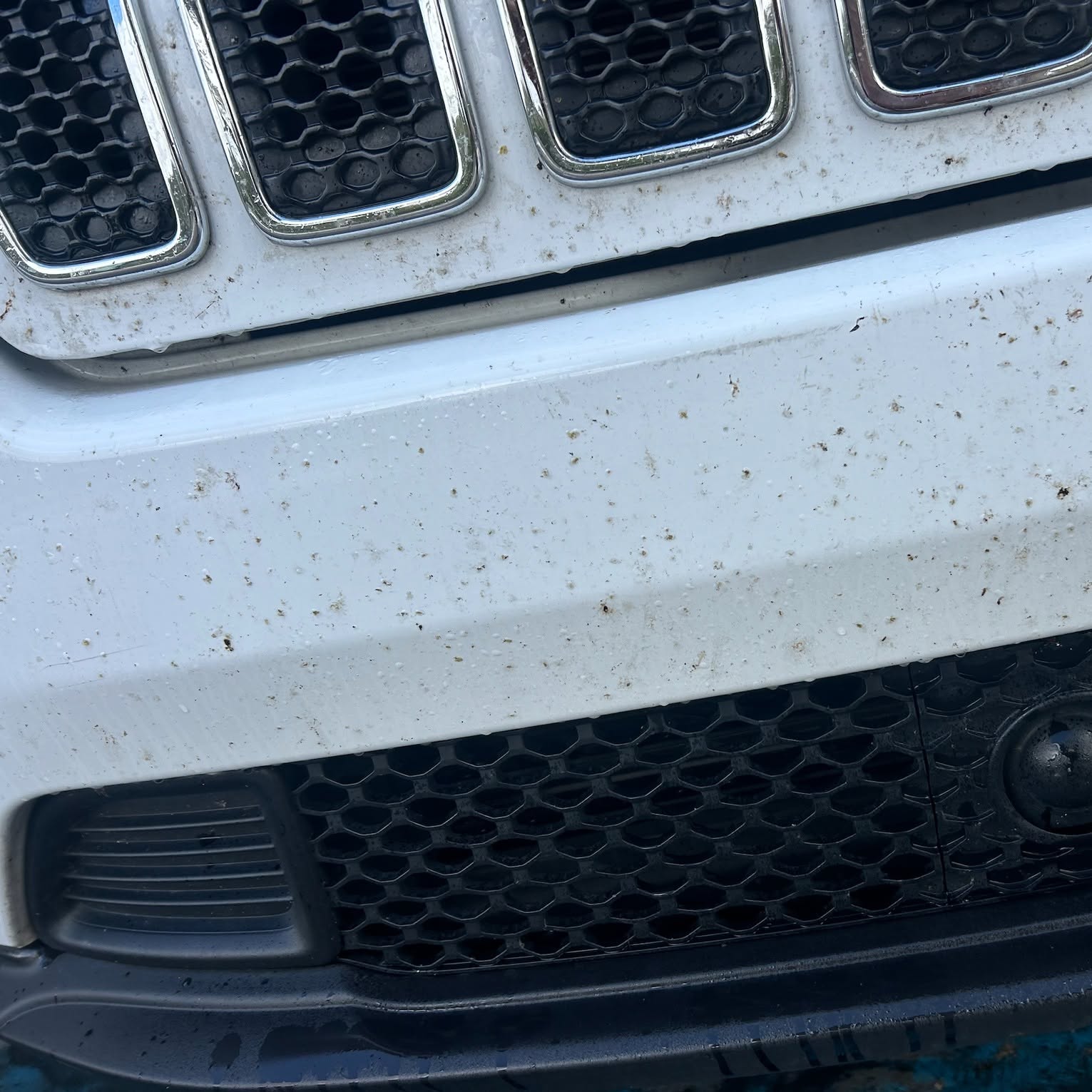
Short answer: Remove lovebugs from your car as soon as possible—ideally within 24 hours. University of Florida research found that crushed lovebug residue becomes more acidic over time, and residue left baking in the sun can damage your car’s paint. To remove them, soak the affected areas with water for several minutes, wipe gently with a clean, soft microfiber cloth, and wash your car to remove any remaining residue. If your bumper and hood are covered, a same-day car wash is a convenient way to clean the entire front end.
Why do lovebugs damage car paint?
The takeaway: lovebug residue becomes more acidic over time, but sunlight and heat are important contributing factors. When crushed bugs remain on a hot vehicle, especially on the hood and front bumper, the residue can become harder to remove and may damage the clear coat. That's why cleaning your car promptly is especially important during Florida's warm spring and late-summer lovebug seasons.
Even if it's been more than 24 hours, don't wait any longer. The sooner you safely remove the remaining residue, the better chance you have of preventing additional exposure and damage.
What Should You Do in the First 24 Hours After Hitting Lovebugs?
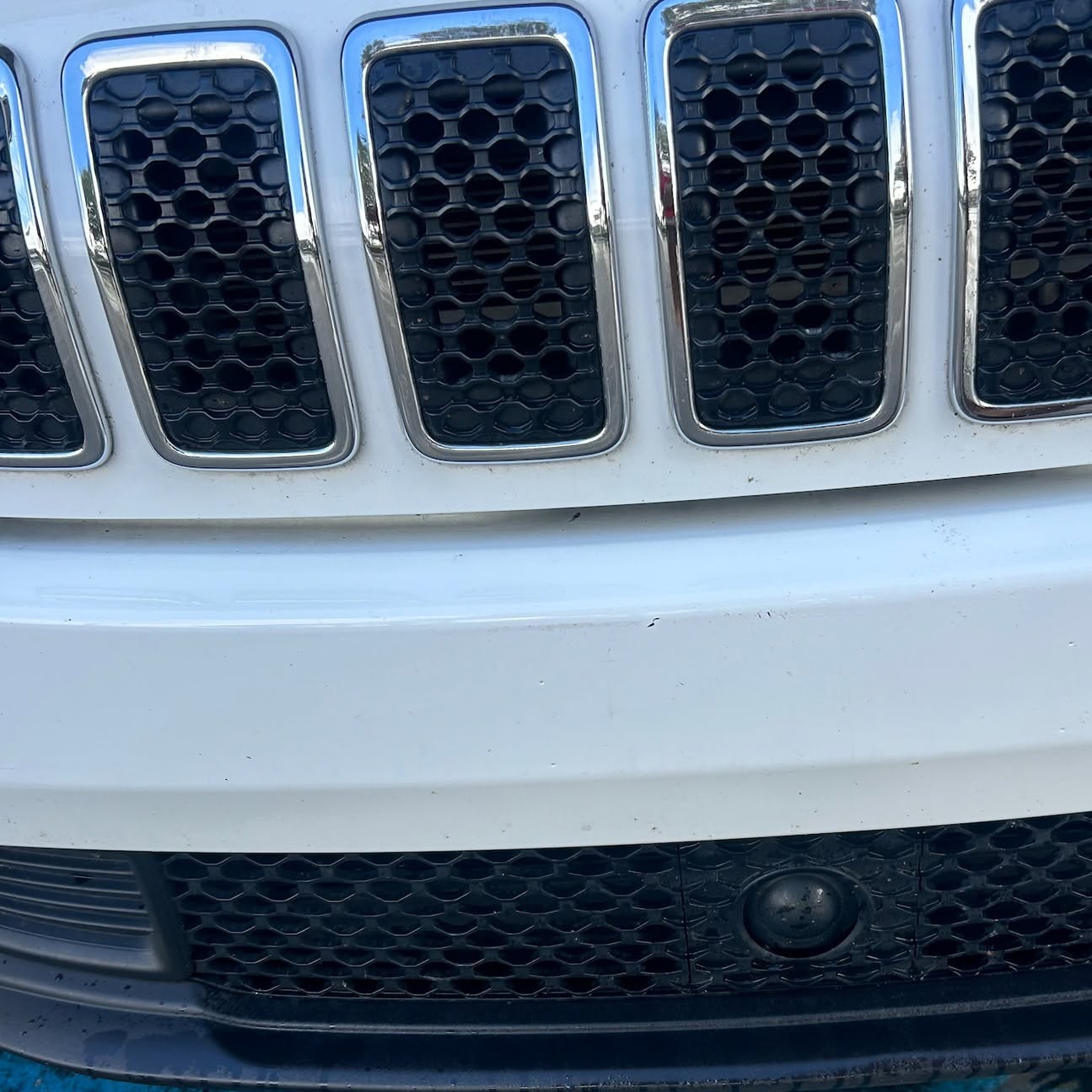
Immediately after driving through a swarm
- Use windshield washer fluid when it is safe to do so to maintain visibility.
- Avoid using dry wipers on a windshield covered in bug residue.
- If possible, plan to clean your vehicle when you reach your destination.
Within a few hours
- Rinse the front bumper, grille, headlights, mirrors, and hood with water.
- Soak stubborn areas for several minutes before attempting to remove residue.
- Use a clean, soft microfiber cloth and gentle pressure. Avoid scraping or aggressively scrubbing the paint.
Before the end of the day
- Wash the entire vehicle, paying special attention to the front end.
- Check for remaining residue around the grille, emblems, mirrors, and other hard-to-reach areas.
- If you regularly drive through lovebug swarms, consider maintaining a protective wax or paint-protection layer.
If lovebugs have been sitting for a day or longer
- Do not assume the damage is permanent, but do not leave the residue any longer.
- Soak and remove the residue gently.
- If you notice dull spots, etching, or marks that remain after cleaning, consult a professional paint-care specialist.
The takeaway: lovebug residue becomes more acidic over time, but sunlight and heat are important parts of the problem. When crushed bugs remain on a hot vehicle, especially on the hood and front bumper, the residue can become harder to remove and may damage the clear coat. That's why cleaning your car promptly is especially important during Florida's warm spring and late-summer lovebug seasons.
When Should You Use a Tunnel Wash Instead of Cleaning Lovebugs by Hand?
Hand cleaning can work when you have only a few spots. But when your bumper, grille, hood, and mirrors are covered in lovebugs, washing the entire vehicle is a more convenient option. A car wash helps remove fresh residue from multiple surfaces, including areas that are easy to miss when cleaning by hand.
At Rising Tide Car Wash, our locations in Margate, Parkland, and Coral Springs offer a convenient way to clean your vehicle during lovebug season. The sooner you remove fresh residue, the less time it has to sit in the Florida sun.
When is lovebug season in Broward County?
UF/IFAS reports two main lovebug flights in Florida, each lasting about four weeks, in April–May and August–September. It also notes a smaller flight in December recorded in South Florida, and that in South Florida most adults seem to appear during the April flight (UF/IFAS EENY-47).
UF also says lovebugs only fly in daylight and are less active early in the morning and late in the evening (UF News). UF/IFAS Gardening Solutions adds that they peak around 10 a.m. and stop flying at dusk (Gardening Solutions). If you can shift a long drive to early morning or evening, your bumper will thank you.
How can you keep lovebugs from sticking next time?
- Keep a fresh protective layer on the paint. UF/IFAS says recently waxed cars come clean more easily and are less likely to be damaged (Gardening Solutions).
- Drive a little slower in swarms. UF/IFAS notes slower speeds mean fewer splattered bugs.
- Consider a grille screen if you do a lot of highway driving. UF/IFAS suggests one to keep radiator fins from clogging and protect the front finish.
- Wash more often in season. During the April–May and August–September flights, plan on at least weekly, and within a day after any heavy drive. Our post on how often to wash your car in Florida has the full calendar.
Is an Unlimited Car Wash Membership Worth It During Lovebug Season?
If you are washing your car frequently during lovebug season, an unlimited membership can be a convenient and cost-effective option.
At Rising Tide Car Wash, a single Tide Gloss wash is $20.56, while the unlimited Tide Gloss membership is $34.95 per month per vehicle.
If you wash twice in a month, the membership already saves you $6.17. At four washes, you save $47.29 compared with paying for each wash individually.
Rising Tide memberships are month-to-month, and members can use their plan at all three locations. Family plans also offer 25% off each additional vehicle, and members have access to free vacuums.
If you drive frequently during the spring and late-summer lovebug flights, an unlimited membership makes it easier to keep up with regular washes without paying for each visit separately.
For added protection, consider Rising Tide's Tide Gloss or Tide Guard wash packages. Tide Gloss includes Ceramic SuperShine and bug repellent, while Tide Guard adds a 5X Graphene Shield with water-repellent protection. These treatments provide additional protective benefits and can help make routine cleaning easier. However, no wash package makes your vehicle immune to lovebug residue, so prompt removal is still important.
Where Can You Get a Lovebug Car Wash Near Coral Springs, Margate, and Parkland?
If you're looking for a car wash in Coral Springs, Margate, or Parkland, Rising Tide Car Wash offers convenient locations throughout the area. Whether you've driven through a swarm on I-95, the Sawgrass Expressway, or local Broward County roads, you can stop by to remove fresh lovebug residue before it has time to bake onto your vehicle.
- Margate: 2970 North State Road 7, Margate, FL 33063 · 754-266-7452
- Parkland: 7201 North State Road 7, Parkland, FL 33067 · 754-310-3244
- Coral Springs: 10340 Royal Palm Blvd, Coral Springs, FL · 754-296-9344 (exterior washes)
At Rising Tide Car Wash, every wash supports a bigger mission. Our team is made up entirely of professionals with autism and related neurodivergences, creating meaningful career opportunities while providing customers with a great car wash experience. When you choose Rising Tide, you're not just taking care of your car—you're supporting a mission that makes a difference in our community.
FAQ
How long can lovebugs stay on a car before damaging paint?
It's best to remove lovebugs as soon as possible, ideally within 24 hours. UF/IFAS research found that crushed lovebug residue becomes more acidic over time, and residue exposed to prolonged heat and sunlight can damage your vehicle's paint. The sooner you remove it, the better.
Don't let lovebugs take a toll on your car's paint.
Stop by Rising Tide Car Wash in Margate, Parkland, or Coral Springs to remove fresh lovebug residue and keep your vehicle looking its best. Explore our wash packages and find the right option for your car.
Ride the Tide. Protect your ride.
What's the easiest way to get lovebugs off a car?
Soak the area with water for several minutes, then wipe gently with a moist cloth as UF recommends. For a fully covered front end, a same-day tunnel wash is quickest.
Can a car wash remove dried-on lovebugs?
A car wash can help remove fresh and some dried-on lovebug residue, but bugs that have been sitting on your vehicle in the Florida sun may be harder to remove. Soak affected areas before cleaning, avoid aggressive scrubbing, and consult a paint-care specialist if you notice etching or marks that remain after washing.
Should I wash my car after driving through a lovebug swarm?
Yes. It is best to remove lovebug residue as soon as possible, ideally within 24 hours. Rinse or wash the front bumper, grille, hood, headlights, mirrors, and windshield to remove the residue before prolonged sun exposure makes it harder to clean.
Does wax help with lovebugs?
Yes. UF/IFAS says a recently waxed car is easier to clean and less likely to be damaged, but you still need to remove the bugs within 24 hours.
When are lovebugs worst in South Florida?
UF/IFAS reports major flights in April–May and August–September, with most South Florida adults appearing in April and a smaller December flight (EENY-47).
Are lovebugs dangerous?
No. UF describes them as a harmless nuisance (UF News). The risk is to your paint if they're left too long.
Sources
- UF/IFAS Extension, Living with Lovebugs (ENY-840/IN694): https://ask.ifas.ufl.edu/publication/IN694
- UF/IFAS Extension, Lovebug, Plecia nearctica Hardy (EENY-47): https://ask.ifas.ufl.edu/publication/IN204/pdf
- UF/IFAS Gardening Solutions, Lovebugs: https://gardeningsolutions.ifas.ufl.edu/design/gardening-with-wildlife/lovebugs/
- University of Florida News, "Lovebugs are back!" (May 2026): https://news.ufl.edu/2026/05/lovebugs/
- Rising Tide wash packages and pricing: https://www.risingtidecarwash.com/wash-packages (checked Nov 4, 2026)
